Grando Riviera › Blog › Riviera Infrastructure: Water, Sewage, Laboratory and ISO 14001
Riviera Infrastructure: Water, Sewage, Laboratory and ISO 14001
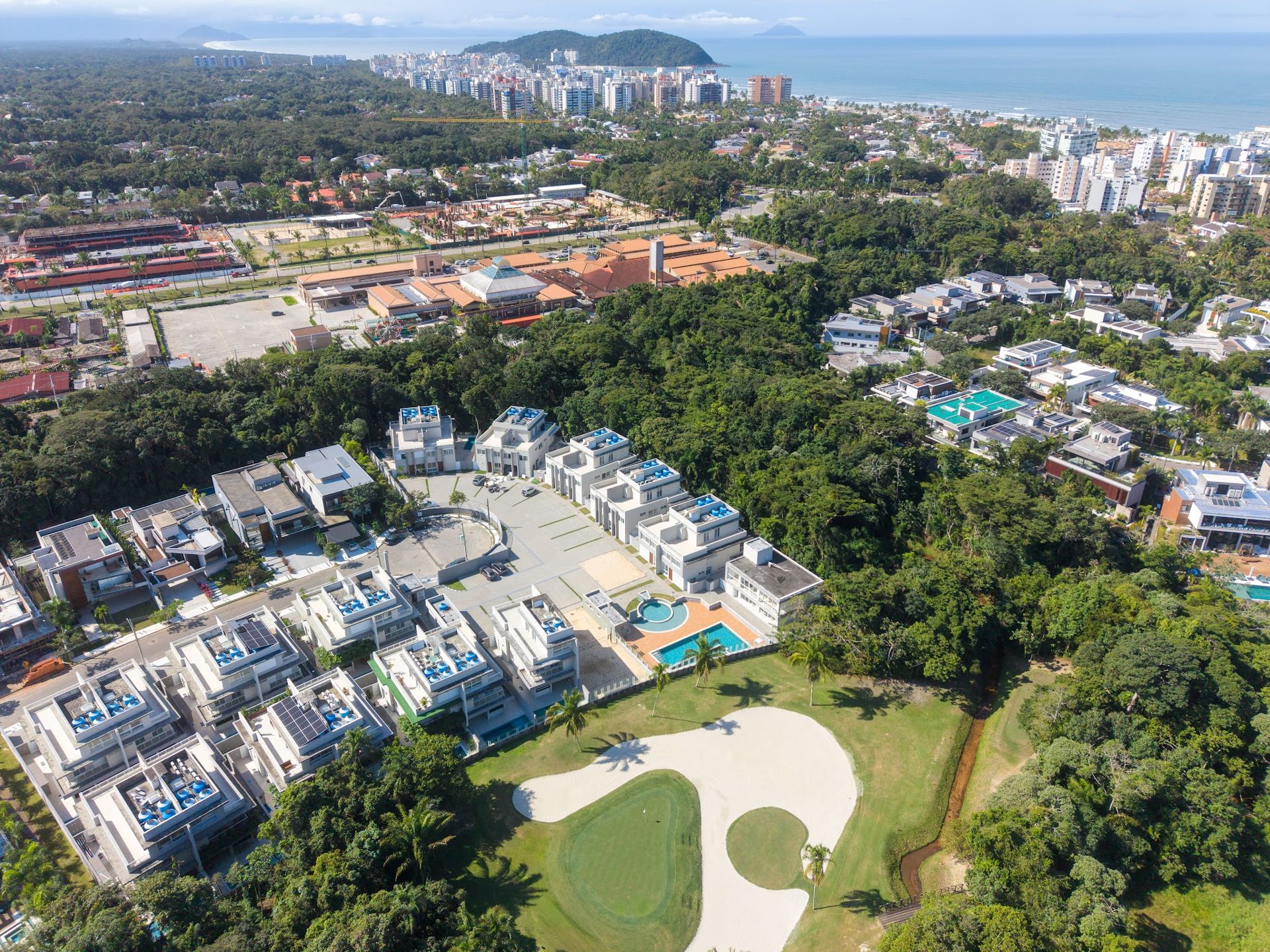
In the Riviera de São Lourenço, what sustains the neighborhood is less visible than the beach and the buildings: the water that reaches the taps, the sewage that never reaches the sea, the laboratory that monitors these systems, and the association that operates them. Here we explain, based on the development's official information, how this infrastructure works and how to see it on a guided visit.
Who manages the infrastructure of the Riviera de São Lourenço?
The water and sewage systems were designed and implemented by Sobloco Construtora, the company responsible for the development, whose construction site began to be set up in August 1979. Operation falls to the Associação dos Amigos da Riviera de São Lourenço, created in 1982 by Sobloco and the companies that owned the area. A non-profit entity funded by contributions from all property owners, the Association has more than 600 employees according to the official website, and also takes care of the roads, selective collection, beach cleaning and security. The neighborhood's history is told in the history of the Riviera.
Where does the Riviera's water come from?
The Riviera has its own system for water collection, treatment and distribution. Water is captured at the headwaters of the Itapanhaú River and travels 4,4 km through main pipelines to the neighborhood's dedicated Water Treatment Station (ETA), whose reported capacity is 1,2 million liters per hour. A laboratory installed at the ETA itself monitors the treatment and periodically inspects points in the distribution network, which totals 68,2 km and serves every property.
Where does the Riviera's sewage go?
Sewage collected from apartments, houses and commercial establishments is sent to the Sewage Treatment Station (ETE), located on the other side of the Rodovia Rio-Santos, 4 km from the beach. Treatment began with a biological process and now combines biological and physico-chemical stages. The change, the official website explains, responded to a characteristic typical of the coast: the large variation in population between the low and high seasons, which causes the organic load to be treated to fluctuate.
The sizing was also planned in advance. Because the neighborhood's zoning was defined from the start, the population expected at full build-out is known, which made it possible to plan infrastructure investments for that density. The topic is covered in detail in our urban planning guide.
What does the Environmental Control Laboratory monitor?
Opened in October 1994, the Environmental Control Laboratory was planned by Sobloco, built in partnership with the Associação dos Amigos and is operated by it. The physico-chemical and bacteriological tests follow Cetesb standards and cover four areas:
- Treated water: daily analysis to ensure potability.
- Treated sewage: weekly monitoring of the quality of the effluent from the ETE.
- Drainage channels: weekly collections that help identify illegal sewage connections.
- Sea: weekly verification of bathing water quality, also monitored by Cetesb, as shown in our Riviera beach guide.
How is waste management handled?
Recyclable collection takes place daily. Paper, glass, metal and plastic separated by residents are sent to the Riviera Sorting Center, where they are selected and organized for sale, and the proceeds are returned to the social projects of the 10 de Agosto Foundation, which operates in Bertioga. Pruning waste is shredded and sent for composting, and hazardous waste, such as batteries and fluorescent lamps, goes to specialized companies. The entire program is run by the Associação dos Amigos.
What does the ISO 14001 certification of the Riviera mean?
In December 2000, the Riviera's Environmental Management System received ISO 14001 certification, issued by ABS Quality Evaluations, making the development the world's first urban development project with this recognition. The certification covers water collection and treatment, sewage collection and treatment, waste management, green area maintenance and beach cleaning, among other procedures.
The standard calls for periodic audits. The most recent one published took place from 19 to 21 October 2026, when the ABS auditor evaluated the Associação dos Amigos and Sobloco Construtora. According to the official website, the certification has been maintained for 26 consecutive years.
How does the infrastructure appear in everyday life?
Beyond sanitation, the project has allocated more than 2,6 million m² to green and institutional areas and features approximately 36 km of sidewalks more than 2 meters wide along the avenues, as well as bike lanes. Supermarket, pharmacy, medical services and other amenities are gathered in convenience hubs.
How do I book a guided visit to the infrastructure?
Sobloco and the Associação dos Amigos hold technical visits on Wednesdays and Saturdays, lasting approximately 2h30 and requiring advance booking. The route begins at the Exhibition Pavilion of the Integrated Sales System (SIV), with a presentation of the model and the neighborhood's planning by a Sobloco professional. Participants then travel in their own vehicles to the Environmental Control Laboratory, where the Sanitation Department team explains the facilities and processes. The official release also cites the Sewage Treatment Station among the structures presented.
- Who can take part: residents and property owners in the Riviera, as well as groups of professionals, schools, universities and other institutions.
- Booking: phone (13) 3316-5330 or e-mail contato@sivriviera.com.br.
What should be evaluated before buying a property in the Riviera?
The infrastructure is shared by the entire neighborhood, but it does not replace the analysis of each property. Consider the contribution to the Associação dos Amigos, the condominium fees and the building's location within the Module. The Grando Index shows the advertised price per square meter by Module and by location, and available units can be found in properties for sale in the Riviera.
Frequently asked questions
Does the Riviera de São Lourenço have its own water and sewage systems?
Yes. Water is captured at the headwaters of the Itapanhaú River and treated at a dedicated WTP, and sewage is sent to a treatment station on the other side of the Rodovia Rio-Santos. Both systems were implemented by Sobloco and are operated by the Associação dos Amigos da Riviera.
When did the Riviera receive ISO 14001 certification?
In December 2000, issued by ABS Quality Evaluations. It was the world's first urban development project to obtain the certification, which has been maintained for 26 consecutive years according to the official website.
How do I book a guided visit to the Riviera's infrastructure?
By phone (13) 3316-5330 or by e-mail contato@sivriviera.com.br. Visits take place on Wednesdays and Saturdays, last approximately 2h30 and require advance booking.
Urban planning of the Riviera: modules, zoning and sustainability